As the public debate over flags and statues flares up again, I am embroiled in my own thoughts about the role that history should play and wonder at what point should history give way to the future and how much of a role it should have going forward. This all comes about after a trip back “home” to Connecticut, which is steeped in my history. During my visit, I experienced two sides of the argument: On the one hand, while I was there, an ex-boyfriend tried to erase me from existence—from photographs and cell phone plans to the ultimate in today’s social media world: a Facebook block. It’s disconcerting to be a part of someone’s life for 10 years and, at the request of the new “occupier,” be exorcised from that person’s history. My statue was, in effect, being toppled.
On the other hand, I spent some time at both my house and my family’s beach house, where history was on plain view, almost enshrined. In light of being eradicated from someone else’s history, I reacted to these places with, what I hope was, respect, acceptance, and closure. When it came to my house, I grabbed a bunch of contractor bags and began shoving the contents of my closets and shelves in with abandon. I checked myself from time to time, pulling a book or a keepsake from the bag and putting it aside into a small, but significant, pile of remembrances. I was brutal in my efforts to clean out my history, relying on the fact that my history largely resides inside me—the trinkets I chose to keep are simply there to jog those memories.
And it felt good. I waded my way through my past, fondly acknowledging it, with the understanding that everything else was just stuff and stuff should be updated to reflect the present. I no longer live in my house—I can lower the flag and move on, knowing that my time there will live in my memories and exist in the beautiful gardens. It’s time for others to build their own history in my absence.
Moving on to the beach house was trickier because it represents three generations of our family—my parents being the first—and there are reminders of their legacy on every wall, in every closet, and on every tabletop. I found it a bit stifling and about as musty as the 50-year-old wool blankets. To my way of thinking, there are ways to honor and celebrate this legacy while still airing out the present and building a new future.
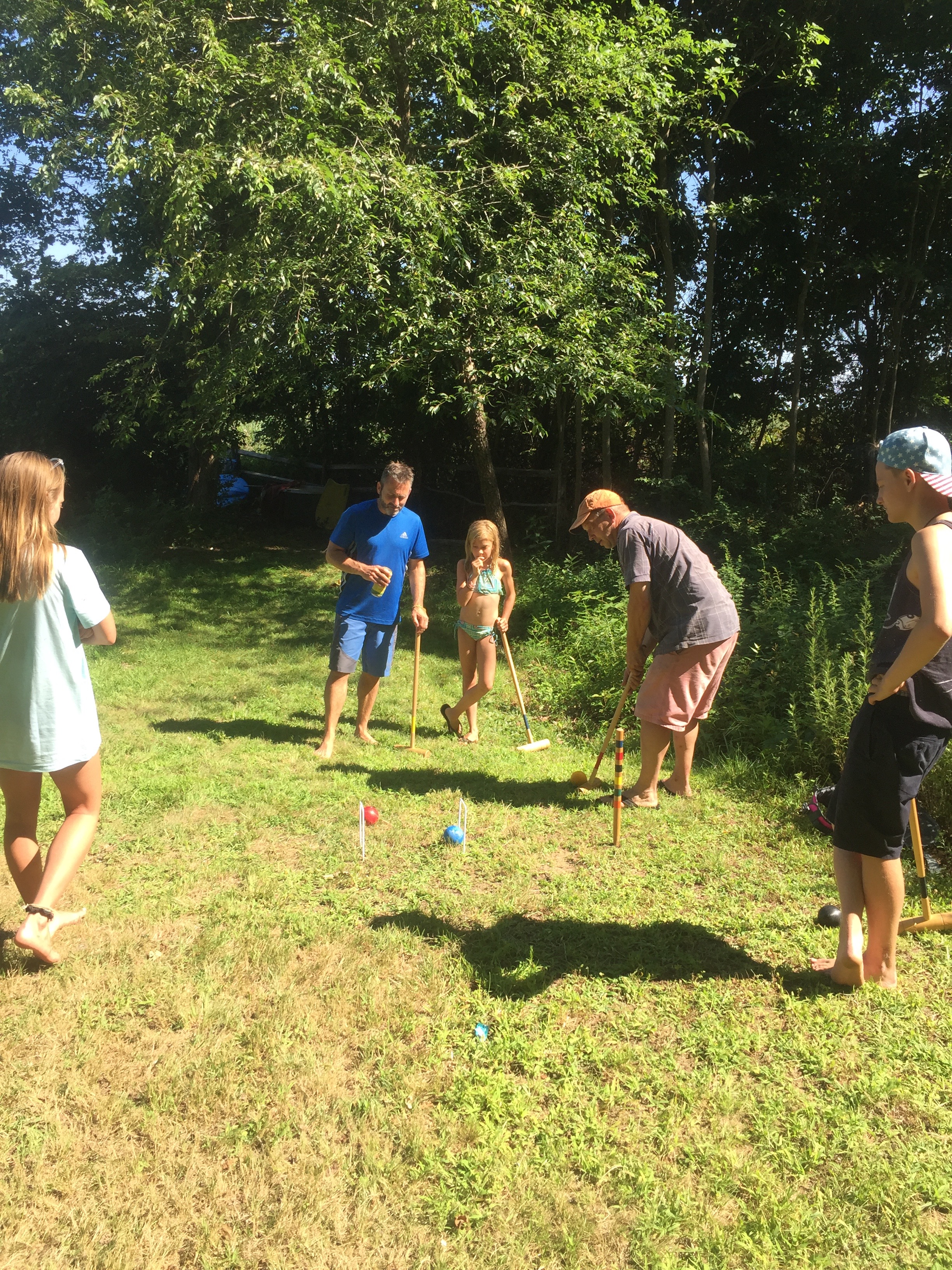
The most remarkable leaders in our history understand that true strength lies in the ability to acknowledge the past—to learn from history’s mistakes and successes—in order to bring about a better future. In other words, the traditional evening croquet match at the beach brings the family together, but the English beds built for 19th century Hobbits do little more than make people grumpy in the morning.
Ultimately, as with most things in life, I find the middle ground to be the wisest choice. A scorched-earth policy is for the insecure, those that choose ignorance over a history that can’t, no matter how hard you try, be erased. And nor should it be—there’s good stuff there and acknowledging that is a healthy way to move forward.
Nor do I want to live in a shrine, choking on the dust of the past. There’s no need for history to leave a bumpy wake when it should, rather, pave the way forward. Living in the past bespeaks an inability to find comfort and confidence in one’s own identity.
As people scramble to plant and burn flags, erect and tumble statues, re-label one thing patriotism and another sedition, they forget that they are dabbling in semantics. History cannot be changed, but how we regard it going forward tells us a lot about who we will be—those who accept, respect, and grow from history are the ones I want to emulate. Their identities are hewn from the past, exist in the present, and are reshaped with every step going forward. And no statue can be made of that.


 My Whatever Journey